
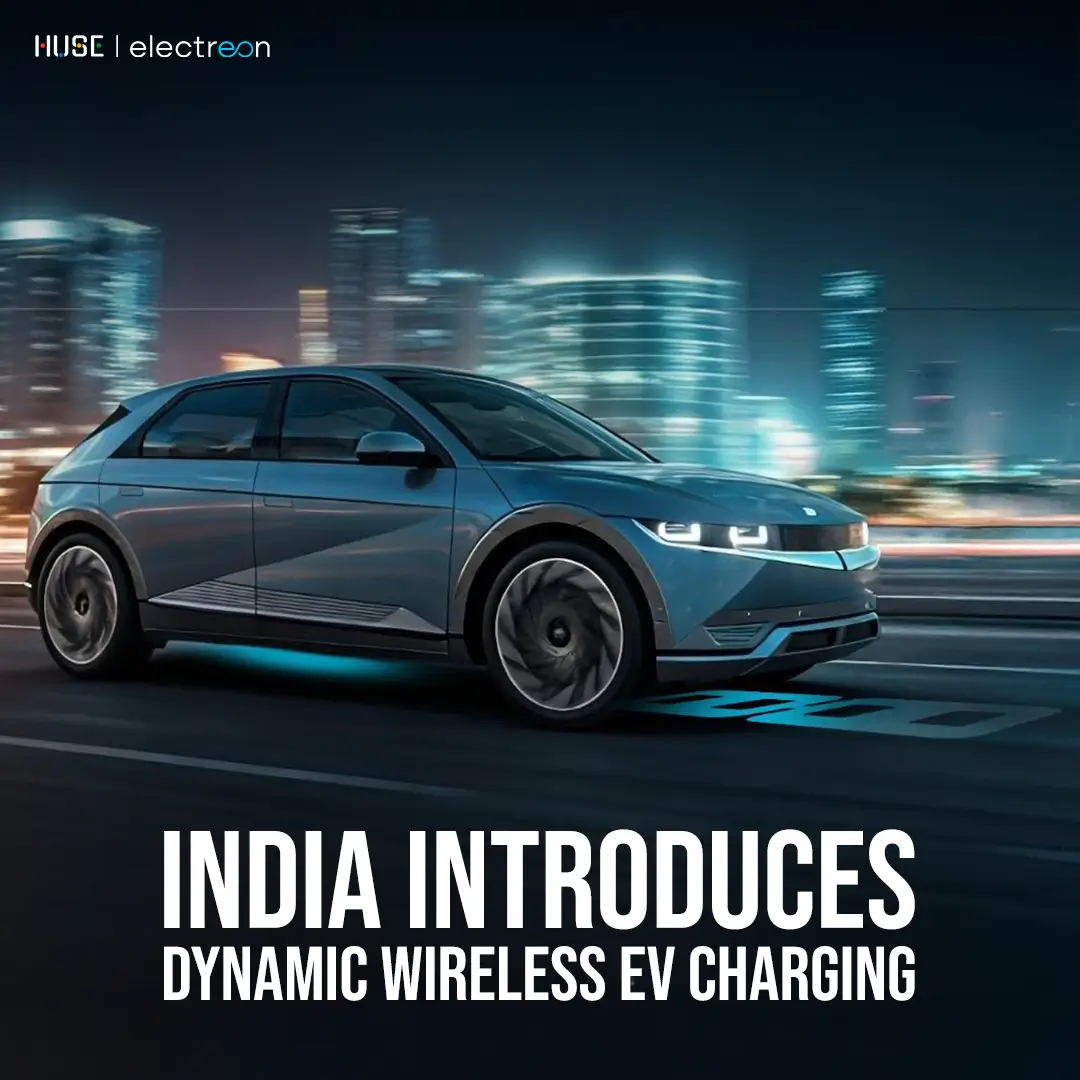
India Introduces & Indigenous Wireless EV Charger for Faster Charging
India is advancing swiftly in the electric mobility landscape by developing its own contactless charging technology. This breakthrough ensures smoother user experiences, eliminates reliance on plug-in systems, and supports more efficient charging environments. Additionally, it boosts domestic innovation, encourages sustainable transport adoption, and aligns with long-term mobility goals. Hence, these advancements represent a significant leap forward for wireless EV charging India.
The Rise of Wireless EV Charging in India
Researchers and engineers are advancing contactless charging solutions, driving the evolution of the electric mobility ecosystem in India. This shift shows the growing demand for cleaner, easier, and more efficient charging experiences in cities. The growing focus on automation and smart systems enables seamless power transfer without physical connectors.
In addition, as local expertise expands, the country sees stronger alignment with global sustainability goals. Moreover, a model for a wireless EV charging station prompts urban planners to rethink locations for public and private charging points to project the growth of charging infrastructure.
This shift provides an enhanced user experience, decreased maintenance life, and improved offsets with renewable energy sources India is preparing for a future where charging becomes effortless and more accessible for different types of electric vehicles.
Benefits of Wireless EV Charging in India
Wireless EV charging has various advantages, strengthening India’s evolving mobility landscape. Furthermore, it facilitates a hassle-free charging experience while supporting long-term convenience and efficiency.
Higher Fleet Uptime
Wireless charging allows charging of the battery during layovers, queues, or depot stops, which significantly diminishes the plug-in downtime. The vehicles take more time to wear out, thus providing greater capacity in the number of days of operation and route coverage. It, therefore, assists in enhancing service dependability.
Battery Cost Optimisation
Wireless charging will decrease the reliance on big battery packs, which enables one to purchase small batteries. Shallow charging occurs often and reduces depth-of-discharge and balances cycles. This, therefore, contributes to the longevity of the battery and minimizes the number and the expense of complete replacements.
No Land/Manpower Requirements
Embedded wireless pads eliminate the need to have large charging yards, exposed connectors and manual plug-in routines. Cars can be charged when parked or waiting. Therefore, it reduces the need for extra land or manpower.
Underground & Vandalism-Proof
Coils used inductively in the ground under roads or depots do not contain connectors. Thus, it makes it less prone to vandalism, theft and weather. The shielded installation reduces connector wear or corrosion. In addition to that, it enhances the reliability and duration of life of city charging systems.
Charging with Passengers Onboard
The wireless chargers will allow vehicles to top up when passengers are in the car. This eliminates distracting plug-in breaks and maintains schedules. It also allows the continuous service on high-frequency routes. Therefore, this also improves the quality of services without separate charging interventions.
Enhanced Efficiency
The frequent short wireless recharges save energy per kilometre, without inefficient cold starts to enhance overall kWh / km. So, it ensures better energy efficiency to pass regulatory and subsidy performance requirements, including PM-eBus Sewa, to aid compliance and funding eligibility.
Reduced Total Cost of Ownership (TCO)
Wireless charging offers lower total cost of ownership through the use of a smaller battery size, fewer maintenance interventions, and higher vehicle uptime. CapEx savings, OpEx reduction, less staff, fewer replacements and increased utilisation deliver better returns on investment to transmit fleets.
Supports Smart Grid Integration
Static Wireless Charging can connect with intelligent energy platforms that balance power use. This allows better scheduling during high and low demand periods. It also reduces unnecessary grid strain. As a result, long-term energy management improves in efficiency.
Future-Ready Mobility Potential
These systems align well with upcoming mobility technologies like automated parking. This ensures compatibility with next-generation transport needs. Additionally, the design supports long-term infrastructure planning. Therefore, wireless charging prepares cities for more advanced mobility ecosystems.
Foundation for Dynamic Charging Evolution
The wireless systems establish a foundation for future moving-charge concepts. Charging while in motion or lane-based charging are included. This method improves power availability. Hence, wireless charging in electric vehicles will likely become more advanced and continuous.
Ways the System Enables Faster Charging
Faster charging relies on more than just power. Moreover, wireless systems use efficiency-focused mechanisms that shorten the entire charging process.
· Efficient Electromagnetic Transfer
Precision-aligned coils minimize energy loss during charging. This boosts the effective output that reaches the battery. The process starts automatically. Hence, charging becomes quicker and more streamlined.
· Instant Activation After Parking
The vehicle automatically starts charging when it aligns with the pad. Besides, this removes delays from plugging in cables. Users enjoy reduced idle time. Eventually, this supports quicker turnaround.
· Optimized Power Electronics
Advanced converters regulate energy flow with higher accuracy. This reduces fluctuations that slow charging. Additionally, internal systems maintain stable transfer rates. Therefore, the battery receives power more efficiently.
· No Connector Resistance Issues
Traditional cables often wear down, impacting current flow. Further, wireless charging eliminates current flow fluctuations by removing physical connectors. Besides, this also keeps energy transfer from slowing down. The process stays consistently fast.
· Potential Integration with Movement-Based Charging
Future systems will enable vehicles to charge while moving slowly or waiting in lanes. This creates continuous energy opportunities through emerging wireless charging roads. Additionally, downtime becomes significantly lower. Thus, charging appears faster overall.
What More Will Come in the Future in Wireless EV Charging India?
India is preparing for major advancements in wireless charging. Hence, the future systems may include wider pad networks in commercial parking areas, residential complexes, and transit hubs to enable smoother adoption. Moreover, integration with renewable energy sources could support cleaner operations that align with national sustainability goals.
Automated parking and scheduling solutions may potentially integrate with wireless platforms, allowing for smooth vehicle alignment and optimal power distribution. Furthermore, the growth of self-driving vehicles may depend significantly on hands-free charging technologies that minimize human interaction.
As research expands, dynamic charging lanes may emerge to support moving vehicles for extended travel. Thus, these developments may create a fully integrated ecosystem that makes charging invisible, efficient, and effortless for users across India.
Conclusion
Wireless EV charging India has made people lean towards advanced, eco-friendly mobility. This is why EV adoption increases and now it supports cleaner infrastructure and simpler charging experiences. In the future, this evolution will bring more efficient and sustainable transportation options.
So, to stay ahead in this advancing landscape, partner with Huse Mobility. We help power your move toward smarter, future-ready mobility and charging solutions.