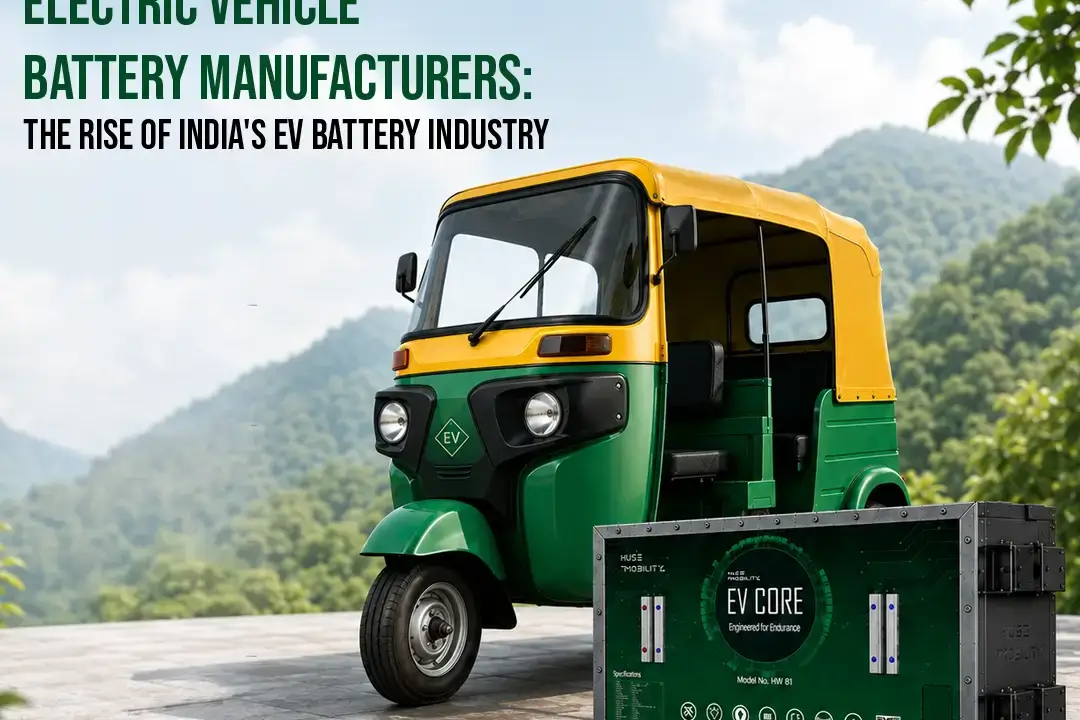

Electric vehicles continue to revolutionize transportation with the help of advanced battery technologies and energy storage systems around the world. Consequently, using lithium ion batteries for Three Wheeler provides a better range of operation, fast charging, and enhanced efficiency in today’s modern uses of EVs.
The development of such batteries is beneficial for enhancing the ease of charging, energy utilization, and reliability of transportation. Furthermore, the continuous development of battery technology will further enhance the safety and sustainability of transportation through the expansion of EV infrastructure.
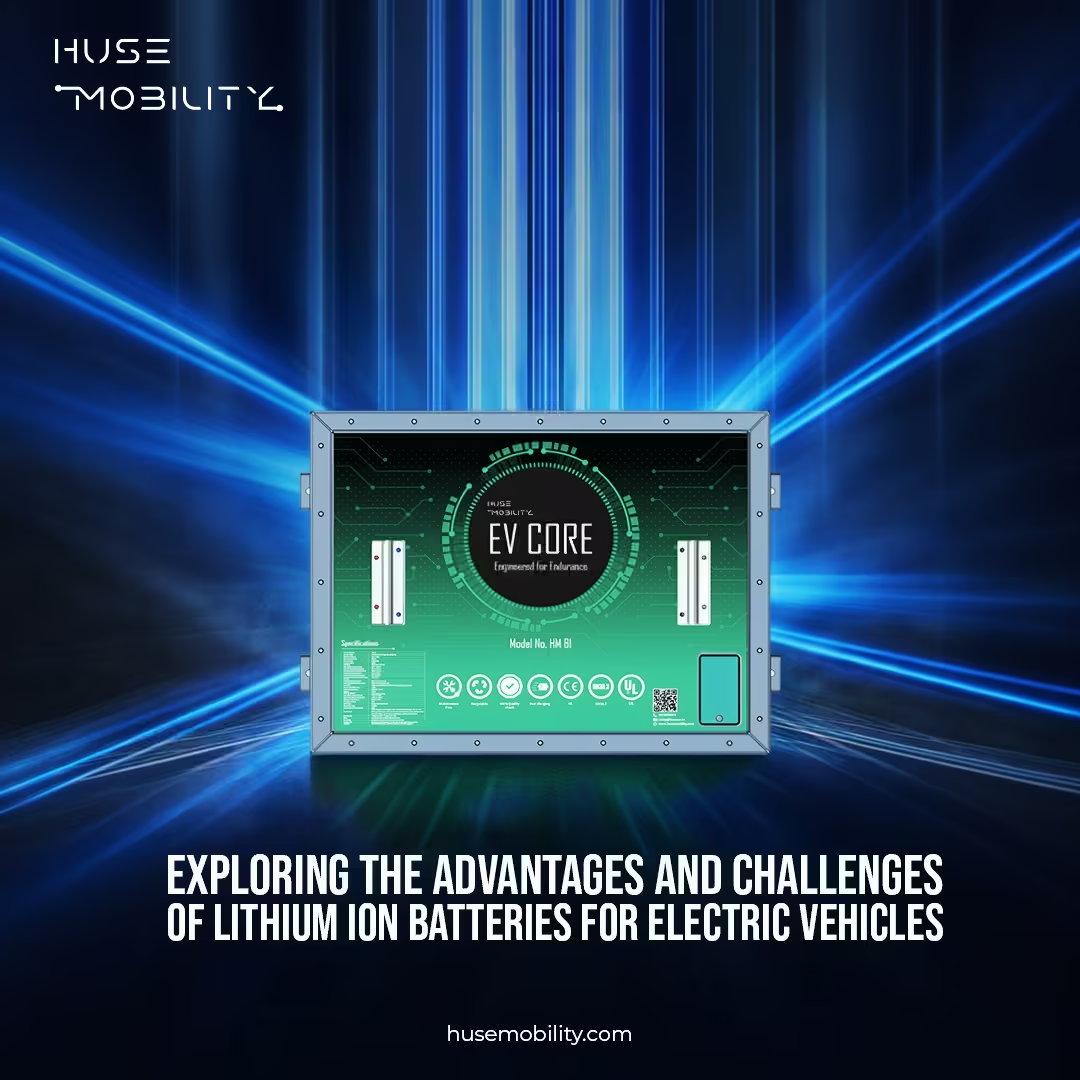
What Are the Benefits of Lithium Ion Batteries for Electric Vehicles?
The improved lithium ion batteries for Electic vehicles are fitted to improve energy efficiency not only during charging and travel but also in the sustainable operation of transport systems. Efficient batteries provide proper operation throughout the whole battery life cycle.
1. High Energy Density and Longer Driving Range in Lithium Ion Batteries for Electric Vehicles
Energy-efficient transportation can be achieved by making long driving distances possible using batteries in advanced Three Wheeler. In addition to that, a modular design of batteries ensures operational flexibility for varied applications of vehicles.
Major advantages are:
● Increased energy storage capability
● Enhanced driving range efficiency
● Consistent long-term battery operations
● Flexible battery systems
2. Faster Charging Capability and Improved Energy Efficiency
Ultra-fast charging is one of the benefits provided by today’s advanced battery systems, suitable for commercial and residential applications. Consequently, efficient charging solutions will reduce downtime and improve efficiency.
Key benefits are:
● High-speed charging
● Balancing of batteries
● Efficient energy utilization
● Reduced disruption of operations
3. Lightweight Battery Design for Better Vehicle Performance
Light battery technology makes transportation more efficient, but also increases stability when it comes to mobility. Additionally, current batteries for electric vehicles increase efficiency in energy management.
What Are the Major Challenges of Lithium-Ion Batteries in Electric Vehicles?
Despite advancements in EV batteries that increase efficiency, some technical and operational hurdles need to be consistently addressed. Thus, trusted companies such as Huse Mobility keep developing batteries that would ensure safety and enhance efficiency in sustainable transport systems.
● Battery Degradation Issues in Lithium Ion Batteries for Electric Vehicles
Continuous charging will impact the efficiency of the battery and its ability to store energy over a long period of time in EVs. Improper usage of charging can decrease the battery’s life and efficiency, specifically for lithium ion batteries for electric vehicles.
● High Battery Manufacturing and Replacement Costs
The use of advanced battery material and an intelligent battery system raises production and replacement costs in the transport sector. Therefore, businesses and owners of electric vehicles should be careful while calculating their long-term operational expenses.
● Overheating and Thermal Safety Issues
Operating batteries under extremely harsh conditions can lead to issues concerning overheating and thermal safety during transport. Thus, battery monitoring systems are needed to enhance the stability of their performance.
● Limited Charging Infrastructure and Charging Time Issues
The expansion of EV transport networks will also demand more convenient and speedy charging stations in different environments. Besides, advanced e vehicle battery management and thermal protection systems can enhance the safety and efficiency of the vehicle in operation. Furthermore, the improved charging infrastructure will enable the scaling up of energy-efficient transport services.
What are the Tips to Maintain Lithium Ion Batteries for Electric Vehicles?
Good battery management ensures consistency in charge cycle, safety in operations, and overall effectiveness of transportation in the future. Moreover, preventive measures avoid unnecessary problems related to battery performance.
1. Follow Proper Charging Habits to Extend Battery Life
It is essential to consider balanced charging methods that will be vital in ensuring that the batteries’ lives are increased through effective management of the capacity for energy storage in the transportation sector. Moreover, regular charging will improve the effectiveness of the operations in the EV.
2. Avoid High Temperatures and Overcharging Batteries
High temperatures, as well as overcharging, may affect the batteries negatively. Therefore, moderate charging will ensure that batteries are maintained efficiently for long periods of time.
3. Monitoring Battery Performance and Updating Software
Monitor systems that help to detect any problems that may arise during operations, and also increase the efficiency of charging and transportation. Moreover, software upgrades assist in improving the efficiency of all the batteries in an e-vehicle.
Why Choose Huse Mobility for Getting Lithium Ion Batteries for Electric Vehicles?
The lithium ion batteries for ev provide increased range, quick charging and improved efficiency. But problems like degradation, cost and overheating exist. But, by adopting appropriate charging practices, managing temperature and conducting periodic inspections, these batteries can contribute to sustainable mobility and play a vital role in the future of green transportation.
Intelligent monitoring, rapid charging, and effective thermal management make Huse Mobility stand apart from its competition. Our scalable solutions help achieve efficient results with fewer downtimes, and improved electric-vehicle efficiency.
FAQ About Lithium Ion Batteries for EVs
A lithium-ion battery stores and supplies the electrical energy required to power an EV motor and other vehicle systems. The e vehicle battery also supports regenerative braking by storing recovered energy during driving.
Lithium-ion batteries have been chosen because of their higher efficiency, higher energy density, fast charging facility, and increased life cycle compared to earlier batteries. Also, lithium ion batteries for Three Wheeler give improved performance because they have better efficiency and are lightweight.
Lithium-ion batteries for EVs are expected to last about 8 to 15 years. In addition, many lithium-ion batteries are now able to maintain over 70–80% of their efficiency even after some years.
No, there is no need to fully charge one’s battery on a daily basis under normal circumstances. Instead, the best practice would be to ensure that the battery charge is between 20% to 80%.
Lithium-Ion Batteries of an EV should be kept away from extreme temperatures and frequent fast charges to maintain their performance. Correct use of the batteries and regular software upgrades would improve their efficiency and performance, too.