
Understanding Battery Management System for Electric Vehicles (BMS)
Ask any EV owner what worries them most, and the battery usually comes up first. A battery management system for electric vehicles is the part that looks after it day and night. Most people call it the BMS, and few ever see it. This guide explains what it does, how it works, and what buyers should check first. The explanations stay simple, so anyone can follow without a technical background.
Battery Management System for Electric Vehicles Explained
Picture a delivery scooter that charges overnight and then works hard all day. Somebody has to stop that battery from overheating, overcharging, or draining too low. That somebody is the BMS, an electronic unit that reads the pack and reacts fast.
The scale is huge, too, since the IEA says electric car sales passed 20 million in 2025. That’s a lot of battery packs that all need watching. Every battery management system for electric vehicles does the same basic job, which is keeping the pack safe and useful.
What Is a Battery Management System and How Does It Work?
A battery management system (BMS) is an electronic system that monitors and protects an EV battery pack. Every reliable EV battery manufacturer in India builds this system directly into their packs to collect cell data and manage charging, discharging, temperature, and overall battery operation.
-
Key Components of a Battery Management System
Inside the case, you’ll usually find sensors, a small controller, and some balancing circuitry. A communication link then passes the results on to the vehicle.
-
How a BMS Monitors Battery Performance
The BMS reads voltage, current, and temperature again and again, often in real time. Using those numbers, it works out how much charge remains and when charging should ease off.
-
The Role of Cell Balancing in Battery Efficiency
Cells inside one pack don’t age evenly, so a few can end up fuller than the rest. Balancing narrows that gap, so the weakest cell stops holding the others back.
What Are the Key Functions of Electric Vehicle Battery Management?
Electric vehicle battery management sounds technical, but the jobs are easy to picture. A battery management system performs these important functions in order to safeguard the pack and make it more functional for motorists:
- Constant monitoring of voltage, current, and temperature, which lets small problems get caught early.
- Protection from overcharge, over-discharge, and short circuits, all of which can damage a battery.
- Charge control, so the battery fills at a pace its cells can handle.
- Cell balancing, which keeps one tired cell from dragging down the whole pack.
- Charge estimation, which feeds the range number you see on the dashboard.
- Seamless data sharing between the pack, the vehicle, and external equipment.
None of this is flashy, but it decides whether a battery stays safe from day to day. This is the reason that Huse Mobility designs its battery management systems to take care of each cell separately.
How Does an EV Battery Management System Improve Battery Performance?
A good EV battery management system shows its value in small, practical ways. How much it helps still depends on battery design, operating conditions, and the quality of the BMS.
-
Extending Battery Life Through Controlled Charging
Batteries age faster when they spend time at extreme charge levels, and controlled charging helps avoid that. Ultimately, a battery’s lifespan comes down to operating temperatures and how it’s used every day.
-
Improving Battery Safety During Driving and Charging
If a pack starts running too hot or pulling too much current, the BMS reacts first. It can cut power quickly, which gives the problem less chance to spread.
-
Supporting Accurate Driving Range Estimates
Anyone who has watched a range number drop faster than expected knows how annoying bad estimates are. Careful tracking of voltage, current, and temperature gives a figure that’s easier to rely on.
-
Identifying Battery Faults Before They Escalate
One cell running warmer than its neighbours is often the first sign of a problem. Catching that early gives an owner time to get the pack checked before it fails.
What Should Businesses Consider When Selecting a Battery Management System?
Begin with the basics: what vehicle it is, what battery chemistry it uses, and how long it runs daily. After that, look at protection features and how simple the unit is to service. Last, compare electric vehicle battery solutions, and ask any EV battery manufacturer for test details and warranty terms.
What Technologies Help a Battery Management System Monitor EV Batteries?
A BMS can only act on what its sensors tell it. So the sensing, the software, and the data links all have to work well together.
-
Battery Voltage and Current Monitoring Technology
Voltage sensors check each cell, while current sensors track how much power moves in and out. These readings feed charge estimates and trigger protection the moment a limit is crossed.
-
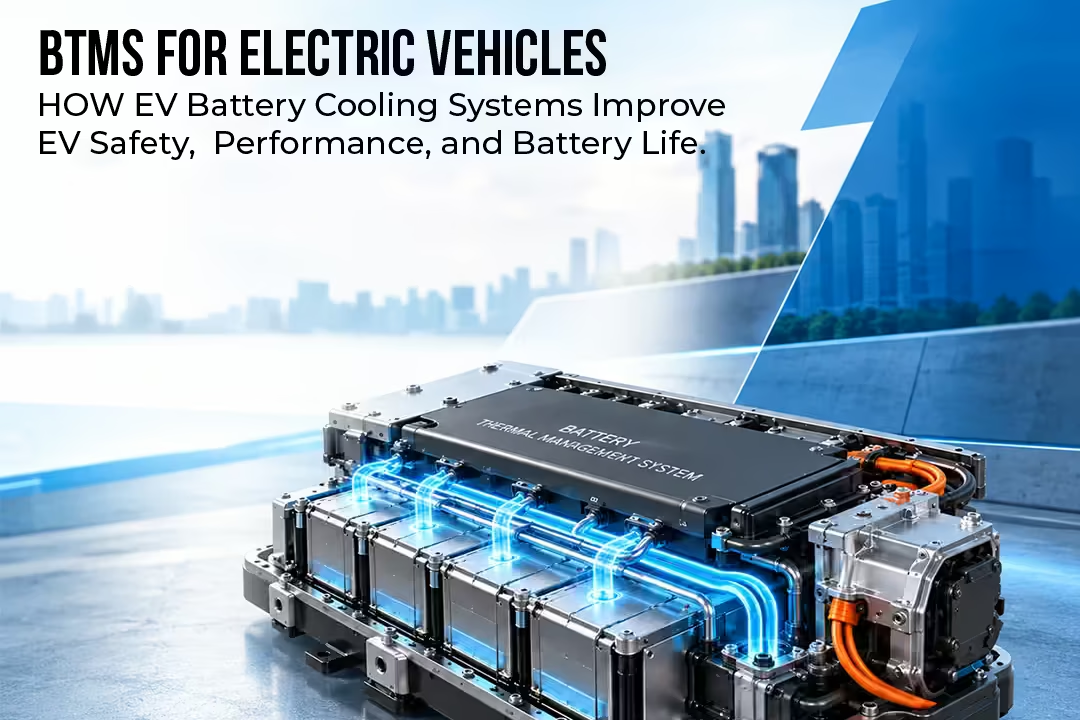
Temperature Sensors and Thermal Management Systems
Small temperature sensors sit across the pack, which helps the BMS spot a hot patch early. Cooling or other thermal management then keeps things inside a safe working range.
-
Battery Data Communication and Fault Detection Mechanisms
The BMS shares its readings with the vehicle and the charger, often through a CAN bus link. When a reading leaves its safe range, the system raises a fault and can limit or stop current.
Why Choose Huse Mobility for a Battery Management System for Electric Vehicles?
A battery management system for electric vehicles watches the pack, protects it, and keeps its cells balanced. Which one fits best depends on the vehicle, the chemistry, and how hard the pack works. Checking protection features and service support early saves a lot of hassle later.
At Huse Mobility, we design and manufacture batteries for electric vehicles with a built-in smart BMS. By tracking voltage, current, and temperature live, the system manages cell balance and prevents overcharging. Built with a modular architecture, every battery pack undergoes thorough safety testing. Our team is happy to help you choose the right setup.