

Types of Batteries Used in Electric Vehicles: A Complete 2026 Guide
Batteries are the determining factor of how well electric vehicles perform. By 2026, as the adoption of EVs is increasing dramatically, you need to understand the types of batteries used in electric vehicles to make a smart choice. The technology that is used in batteries not only determines how quickly a vehicle can accelerate but also provides a basis for charging speed.
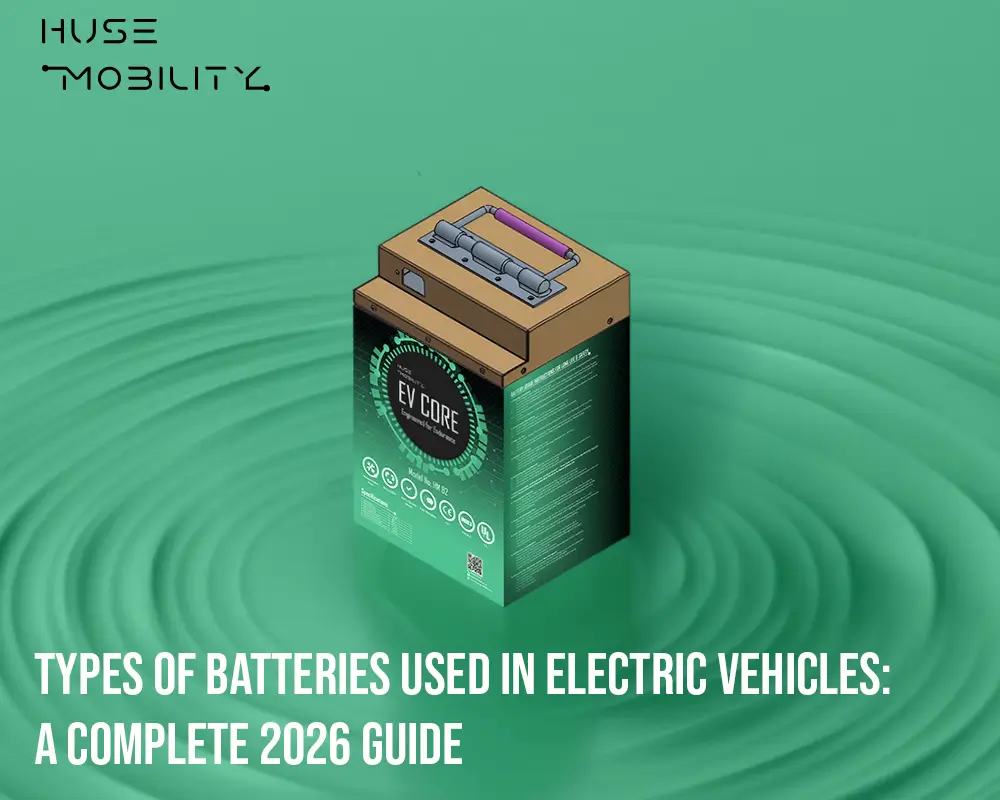
Types of Batteries Used in Electric Vehicles: Understanding the Core Technologies
There are several different types of batteries used today in electric vehicles. The benefits of each of these different battery types are quite distinct in terms of cost, efficiency, life expectancy, and usage.
Lithium-Ion Batteries
Currently, lithium-ion batteries are the most common type of vehicle battery. They have an extremely high energy density and are also relatively lightweight, as well as having longer life cycles when compared to other types of batteries. Lithium-ion batteries can also be recharged several thousand times, making them the preferred battery type for most modern electric vehicles.
Lead-Acid Batteries
Lead-acid batteries are among the oldest battery technologies in existence today. While these are still a cost-effective option, lead-acid batteries are much heavier and less efficient than the others. Today, lead-acid batteries are primarily found in other auxiliary battery applications rather than as an EV vehicle battery.
Nickel-Metal Hydride Batteries
Nickel-metal hydride batteries are found predominantly in hybrid vehicles. They offer a much more durable battery than other conventional batteries. Also, it lets the end user recharge more times than a standard traditional lead-acid battery.
Solid-State Batteries
Solid-state batteries will represent one of the largest battery innovations. They provide improvements in charge time, energy density, and safety. While they are still being developed and tested, it is anticipated that they will fundamentally change the batteries of electric vehicles over the next few years.
How The Types of Batteries Used in Electric Vehicles Impact Performance and Efficiency
Selecting an electric vehicle battery involves more than just evaluating its technology. It greatly affects how an EV performs under actual driving conditions. The different types of batteries used in electric vehicles affect the efficiency and speed in the following ways.
Energy Density to Distance of Travel
An electric vehicle with a higher energy density will typically be able to drive a longer distance per charge. Among the electric vehicle batteries, lithium-ion batteries provide the highest energy densities. This is why they are the most widely used by all of the major EV manufacturers.
Charging Speed and Charging Infrastructure
In general, charging speed is determined by both the chemistry of the battery and the type of EV DC fast charger that you use. Generally speaking, DC fast chargers can usually charge an electric vehicle to about 80% within 30-90 minutes. However, this will vary based on the type of battery that is used in the EV itself.
Life of Battery
There are many factors that contribute to the life of any battery, but on average, the lifespan of most of the batteries will be around 5-10 years based on the way of use and maintenance. Advanced battery management systems are currently being used to extend battery life and to enhance battery safety.
EV Battery Safety and Heat Management
Battery safety is critically important. Modern battery systems include various cooling technologies as well as battery monitoring systems that prevent them from being damaged due to overheating.
How Electric Bike Batteries are the Future of Sustainability
Sustainability is not just a trendy initiative; it’s becoming a necessity for businesses today. Consumers of today are demanding that companies operate with efficiency and respect for the environment.
Zero-Emissions Mobility
Electric bikes emit no emissions from a tailpipe. Therefore, switching from gasoline-based vehicles to EV vehicle batteries provides an opportunity to improve air quality and reduce pollution in cities with declining air quality.
Reduced Carbon Footprint
By using batteries for electric vehicles, you can significantly reduce carbon emissions. HUSE offers integrated mobility solutions to help businesses transition to eco-friendly options, while also achieving long-term sustainability goals.
Conclusion
New electric bike batteries are thus revolutionizing the way of transportation in the year 2026. With the increasing conflict in the Middle East and rising fuel prices, it is the right time to switch. So, to get ahead of your time, you can partner with Huse mobility. You will get a wide range of EV batteries to reduce your dependency on oil-based vehicles completely.